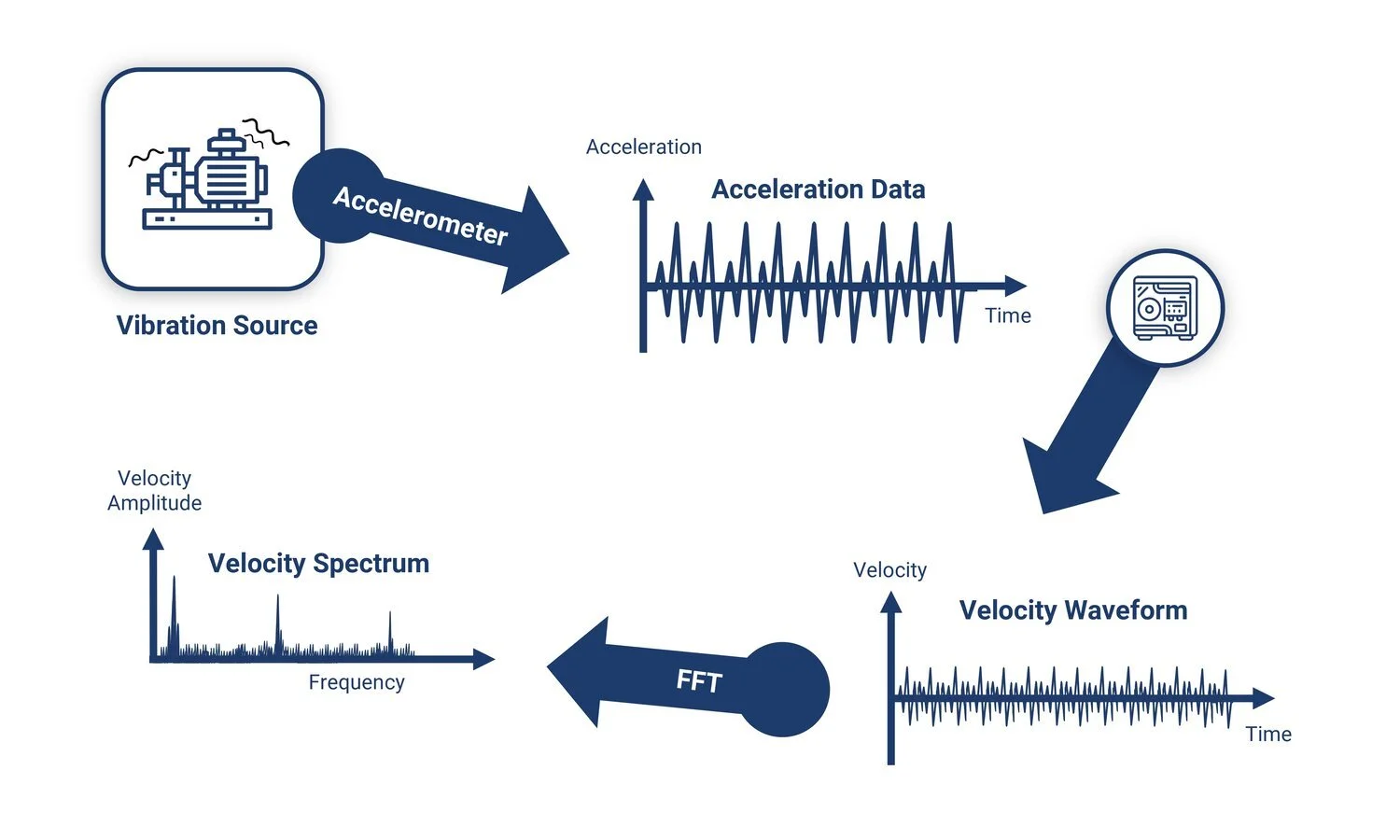
What Is The Purpose of a Vibration Sensor and Working Principle Circuit Diagram Which industries use the vibration sensor the most? Below is a list of the most common industrial sectors that employ vibration sensors to monitor the vibrations: Aerospace. Automotive & Transportation. Pulp and Paper. Food and Beverage. Oil and Gas, Refining, Petrochemicals. Power Generation (fossil fuel, nuclear, hydro, wind turbines) Machine

How to install a vibration sensor? Step 3: Mechanical Installation Mounting Proximitor Sensors. Begin by inspecting the vibration probe, extension cable, and connectors. Look for any signs of physical damage, such as bends, cuts, or wear. If any damage is found, replace the affected parts before proceeding with further tests.

A Comprehensive Guide to Vibration Sensors and Their Functions Circuit Diagram
In industrial automation, sensors are essential for monitoring various parameters, such as temperature, pressure, humidity, motion, and proximity, ensuring optimal performance, safety, and compliance with quality standards. Types of Sensors Used in Industrial Automation. Vibration Sensors. Working Principle:
Vibration sensors have become ubiquitous across industrial sectors owing to their unmatched capability to iden. Introduction A vibration sensor, also referred to as a vibration transducer or vibro sensor, is an electronic device that measures and analyzes vibrations and oscillations in machines, structures, and systems.

Vibration Sensors for Industrial Automation Circuit Diagram
Types of Vibration Sensor. Now that we know what vibration is, let's look at the different types of sensors to monitor vibration. First, we will talk about an accelerometer. 1. Accelerometer. Accelerometers are devices that measure the vibration, or acceleration of motion of a structure.